
The Vanishing Moat: Is Generative AI the End of Animation as We Know It?
For decades, the animation industry was protected by a formidable "moat." This wasn't a moat made of water and stone, but one built from thousands of hours of grueling labor, hyper-specialized technical skills, and prohibitively expensive software. To create a high-quality animated short, you needed a small army: layout artists, background painters, character designers, and the unsung heroes—the in-betweeners who meticulously filled the gaps between keyframes. This barrier to entry ensured that while many dreamed of making animation, only those with massive budgets or decades of training could actually execute it at a professional level. But as highlighted in a recent provocative piece by Animation World Network (AWN), that moat is evaporating. We are entering the era of the "AI-pocalypse," and the landscape of visual storytelling is shifting beneath our feet.
ARTIFICIAL INTELLIGENCE
Staff
5/8/20262 min read
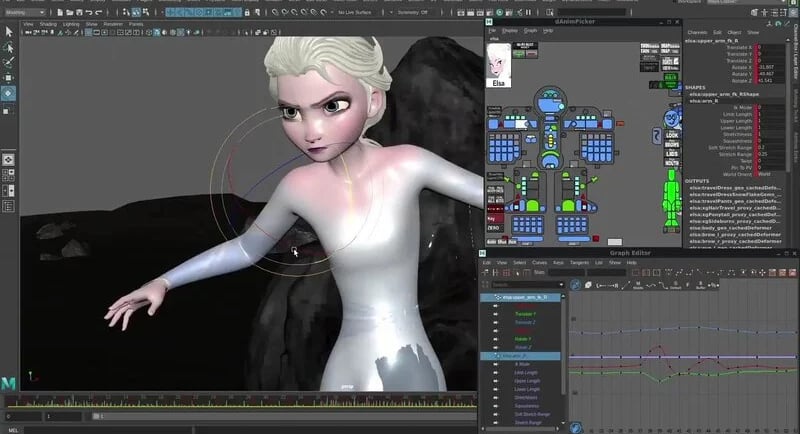
The Collapse of Technical Exclusivity
The core of the issue is Generative AI. Tools that can generate complex imagery from a simple text prompt or transform a rough sketch into a cinematic render in seconds are doing more than just "speeding up" the workflow—they are dismantling the traditional production pipeline.
In the past, if you wanted to create a sprawling cyberpunk city for a background, an artist might spend days meticulously detailing every neon sign and rainy street. Today, an AI can generate a high-resolution version of that environment in a matter of seconds. When the technical "difficulty" of a task drops to near zero, the value we place on that specific skill also drops.
From Creator to Curator
This shift signals a fundamental change in the role of the artist. We are moving from an era of Craft to an era of Curation.
The Craft Era: Value was found in the execution. The ability to draw a perfect perspective line or paint light hitting a surface realistically was the mark of a professional.
The Curation Era: Value is shifting toward vision and selection. In a world where AI can generate 100 variations of a character in a minute, the "artist" becomes the director who knows which version possesses the correct emotional resonance.
While this sounds liberating for some, it is terrifying for many. The "middle class" of the animation industry—the technicians and production artists—find their roles being compressed into a single prompt.
The Ethical Minefield
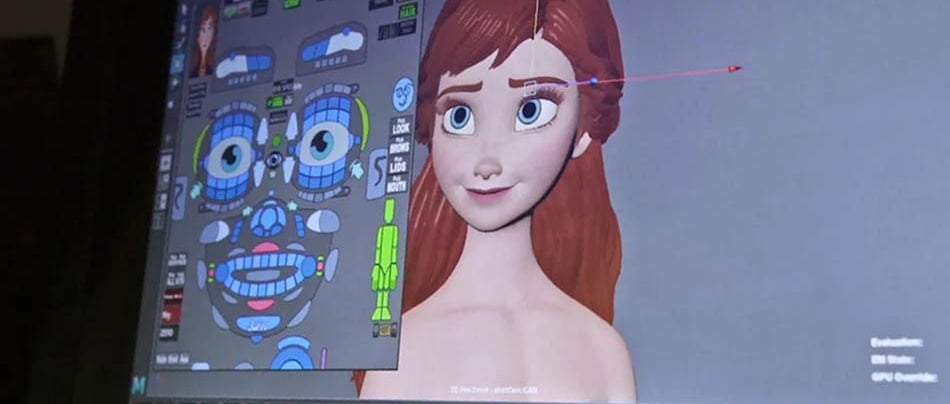
We cannot discuss the vanishing moat without addressing the wreckage left behind. Generative AI doesn't create in a vacuum; it learns from billions of existing images, often scraped without the consent of the original artists.
The industry is currently grappling with a paradox: the tools that make animation more accessible are powered by the very work of the people they are now replacing. This has sparked a massive debate over copyright, intellectual property, and what "originality" even means when a machine can synthesize any style in existence.
Is There a Way Forward?
Does the disappearance of the technical moat mean the death of animation? Not necessarily. It means the definition of animation must evolve.
Historically, every leap in technology—from hand-drawn cells to CGI—was met with claims that the "soul" of the art was dying. Yet, each leap simply shifted the goalposts. The artists who survived were those who stopped fighting the tool and started using it to push the medium into new, unexplored territories.
The future of animation likely won't be a total takeover by machines, but a hybrid model. The "moat" will no longer be how you make something, but why you are making it. Human intuition, emotional depth, and subversive storytelling are things AI cannot yet replicate.
Connect
Engaging storytelling through immersive media solutions.
contactus@lm3official.com
+1234567890
© 2026. All rights reserved.

services