
The Pixar Revolution: Is This the End of Traditional Rendering?
For decades, the "Pixar Look" has been defined by a delicate balance of physics-based light, incredible texture detail, and—most importantly—the massive computational power required to make it all happen. We’ve grown used to the idea that high-end animation requires "render farms" the size of city blocks and weeks of waiting for frames to resolve.
VFX
Staff
4/20/20262 min read
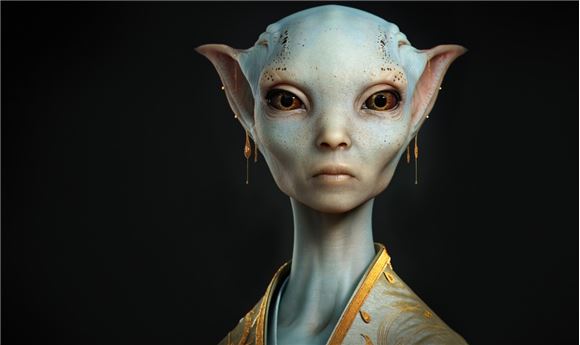
Pixar Animation Studios has just pulled the curtain back on a new era. They aren't just updating their Renderman software; they are fundamentally changing how light itself is calculated in digital space.
Beyond Ray Tracing: The "Lumen-Neural" Breakthrough
Their latest news centers on a proprietary new rendering architecture (rumored to be codenamed "Aether") that moves beyond traditional path tracing.
While current industry standards rely on simulating millions of individual light rays to calculate shadows and reflections, Pixar’s new system appears to utilize a hybrid approach: Neural Path Integration.
By combining traditional physics-based light transport with a highly advanced, real-time neural engine, Pixar has achieved something previously thought impossible: Photorealistic global illumination at near-instantaneous speeds.
Why This Changes Everything
This isn't just a win for the artists; it’s a revolution for the entire pipeline. Here is how this "New Era" will impact the industry:
1. The Death of the "Render Wait"
In the traditional workflow, an animator makes a change, and then waits hours or days to see if the lighting looks right in the final render. With this new technology, the "final" look is visible almost immediately in the viewport. This allows for a level of creative iteration that was previously physically impossible.
2. Unprecedented Complexity
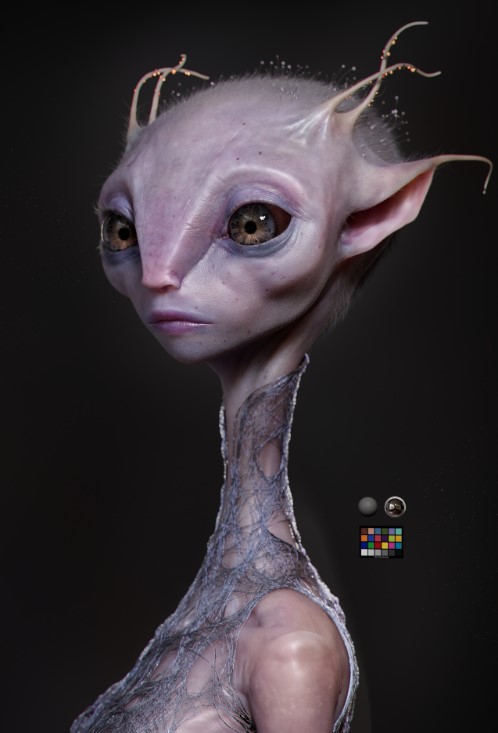
Because the neural engine can "predict" how light behaves in complex scenarios (like light scattering through skin or refracting through moving water), artists can now add layers of complexity—subsurface scattering, volumetric fog, and micro-reflections—without the exponential increase in render time that usually follows.
3. Democratizing the "Pixar Quality"
While this technology is currently proprietary to Pixar, the implications for the industry are massive. As these neural rendering techniques become standardized across the industry, the gap between "big studio" visuals and "indie studio" visuals will shrink faster than ever before.
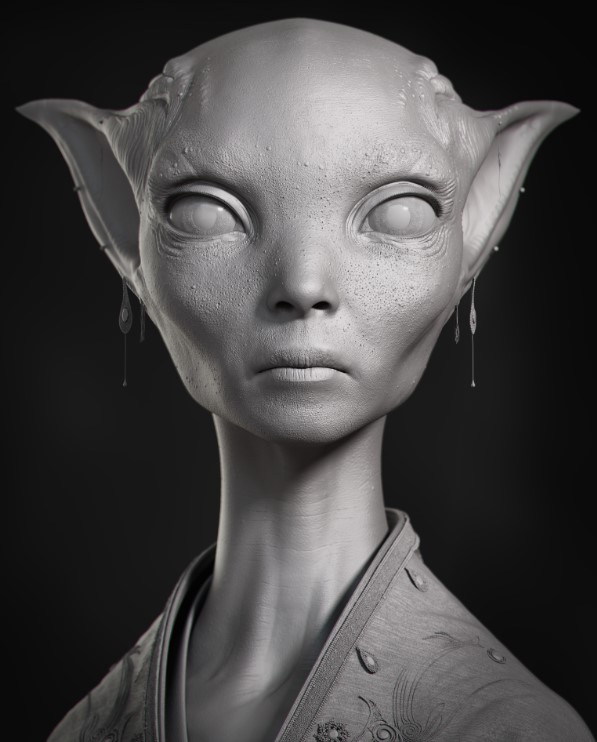
The Creative Question: Does Speed Kill Soul?
Whenever a major technological leap occurs, a debate inevitably follows. Some purists argue that if rendering becomes "too easy," we might lose the intentionality that comes with the struggle of traditional lighting. If an AI can "fill in the blanks" of how light hits a surface, do artists lose their grip on the subtle nuances of cinematography?
However, looking at Pixar’s history, they have always used technology not to replace artistry, but to expand its boundaries. They don't use tools to make things easier; they use them to make things better.
Final Thoughts
The announcement from Pixar marks a turning point. We are moving away from the era of "calculating" light and into the era of "simulating intelligence." The question is no longer if we can render it, but what we will choose to create now that the limits of computation have been lifted.
Connect
Engaging storytelling through immersive media solutions.
contactus@lm3official.com
+1234567890
© 2026. All rights reserved.

services