
Breaking the Mold: Why the AfroAnimation Summit is the Future of Global Animation
For too long, the "global" in global animation has often felt like a narrow window. While studios have become more diverse in their rosters, the stories being told—and the leadership driving them—have often lacked the specific cultural textures that make animation so universally resonant.
MEDIA
Staff
4/22/20262 min read
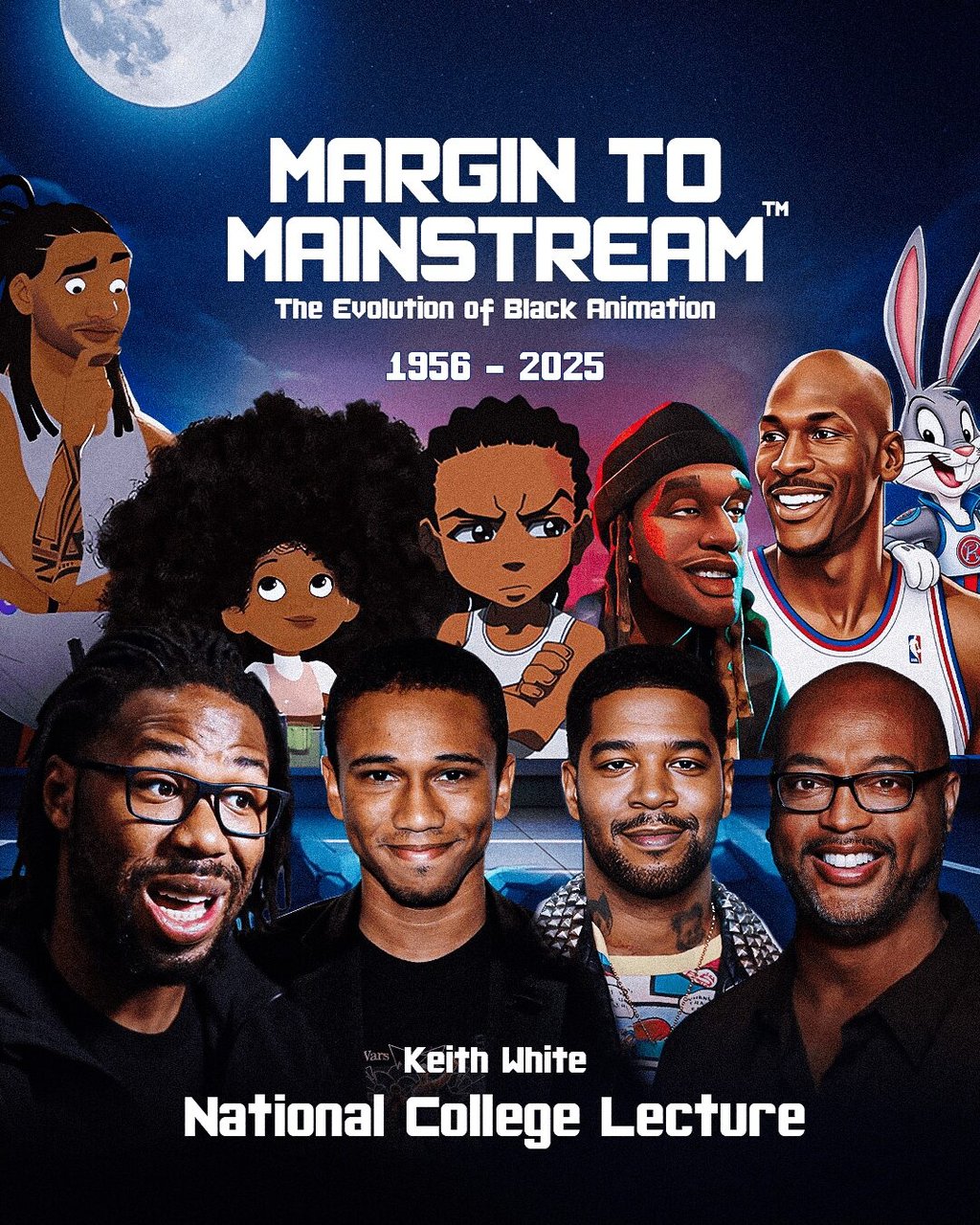
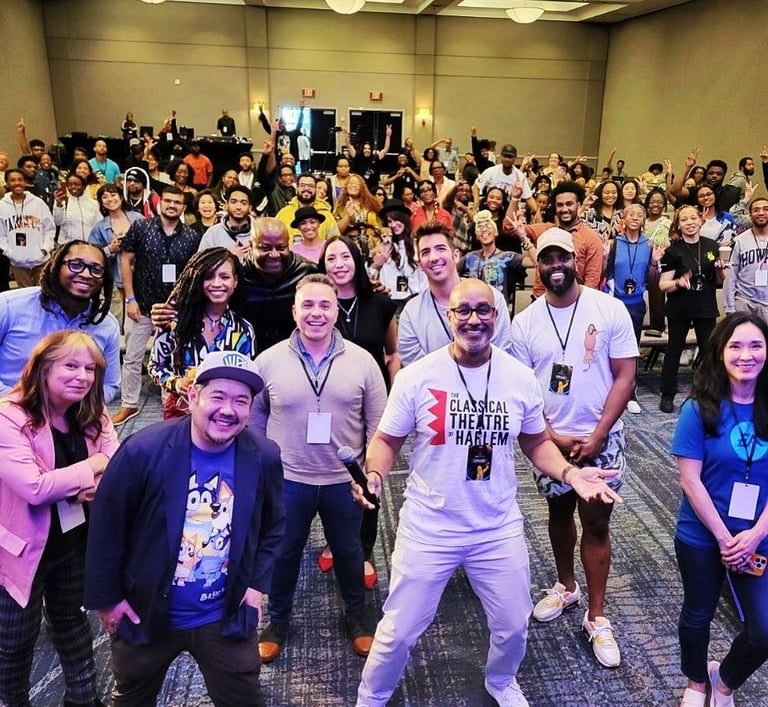
That is changing. Following the recent AfroAnimation Summit, Cartoon Brew released a must-read interview with Keith White that serves as both a celebration of progress and a roadmap for what comes next.
If you want to understand where the industry is heading, you need to read this interview. Here are the three biggest takeaways from White’s insights.
1. Moving Beyond "Representation" to "Ownership"
One of the most profound points Keith White makes in the interview is the distinction between representation and ownership.
For years, the industry standard for diversity was simply seeing more diverse characters on screen. But White argues that true change happens when creators from the African diaspora aren't just the talent being hired—they are the showrunners, the studio owners, and the IP holders. The AfroAnimation Summit isn't just a networking event; it’s an incubator for independent studios that are building their own legacies from the ground up.
2. The "Cultural Aesthetic" as a Competitive Advantage
In the interview, White touches on something fascinating: the unique visual language emerging from African-led animation projects.
We are seeing a move away from the "standardized" look of Western feature animation toward styles that incorporate traditional textiles, local architecture, and specific rhythmic movement patterns inspired by regional dances. This isn't just about being "different"; it’s about bringing new, untapped visual energy to a medium that can sometimes feel visually homogenous. As White suggests, these unique aesthetics are becoming a massive draw for global audiences hungry for something fresh.
3. Bridging the Gap: Tech, Talent, and Tradition
A major theme of the Summit—and a recurring point in White’s discussion—is the intersection of cutting-edge technology and traditional storytelling.
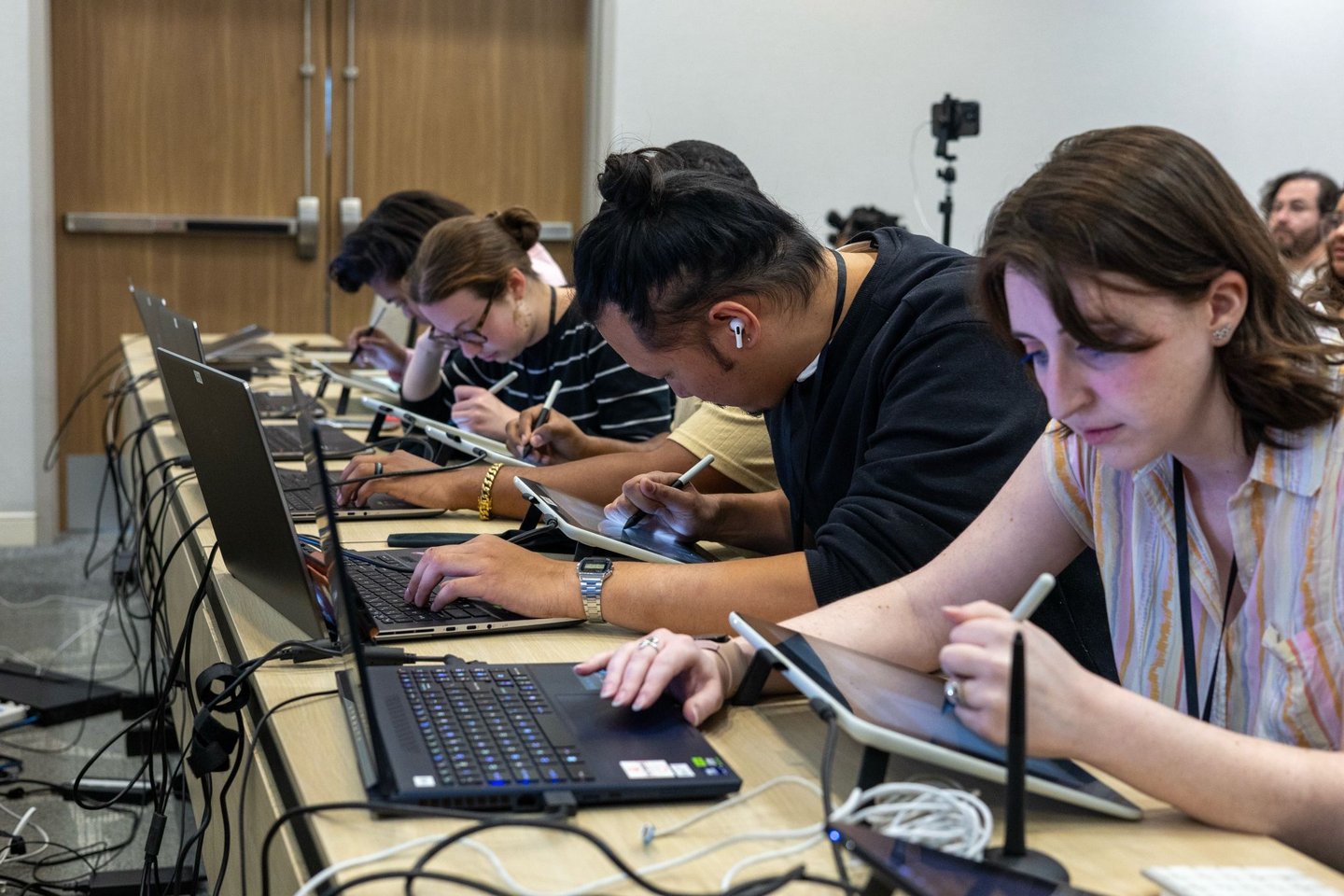
The interview highlights how young animators from across the continent are leveraging tools like Blender and Unreal Engine to bypass the massive overhead costs that used to gatekeep high-quality production. By combining these powerful, accessible tools with deep-rooted oral traditions and folklore, a new wave of creators is producing content that rivals major studio output at a fraction of the cost.
The Bottom Line
The AfroAnimation Summit, as framed by Keith White’s interview, isn't just a "niche" event for a specific community. It is a signal to the entire industry that the center of gravity in animation is shifting.
The stories being told at this summit are proving that when you empower creators to tell their own truths, the entire world listens. The era of monolithic storytelling is ending; the era of the global, multi-vocal animation landscape has officially begun.
Connect
Engaging storytelling through immersive media solutions.
contactus@lm3official.com
+1234567890
© 2026. All rights reserved.

services